

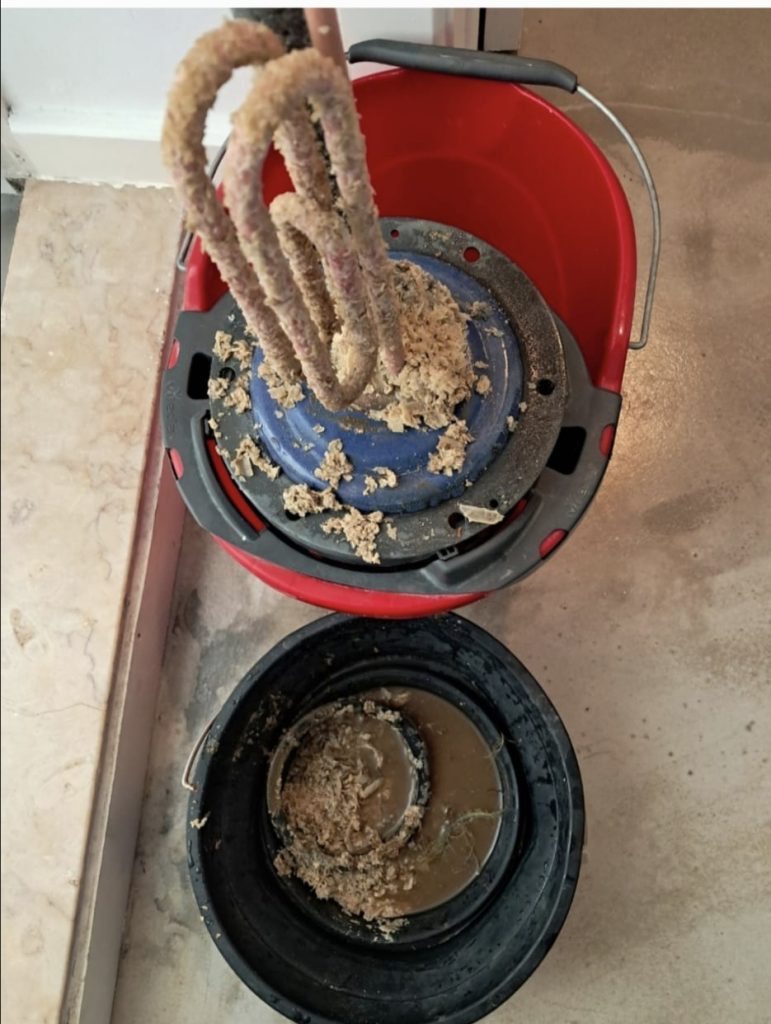
Preventive maintenance is what separates an appliance that lasts for years from one that breaks down every three months. The most common question is simple: how often?
There is no single number
The interval depends on three factors: the manufacturer's instructions, how intensively the appliance is used and the water quality in your area. In hard-water areas limescale builds up faster and checks should be more frequent. The same applies to homes with heavy use — large families, several hot-water outlets.
As a practical reference: an annual check is the usual interval for normal domestic use, and may shorten to every six to eight months in hard-water areas or on heavily used appliances.
Signs you are already late
- The time taken to get hot water has increased.
- Hot water comes out at an irregular temperature.
- There is boiling, whistling or metallic noise.
- Gas consumption has risen with no change in habits.
- Boiler pressure varies more than before.
- Occasional lock-outs or error codes appear.
What the visit includes
Good maintenance is not replacing parts on request: it is a systematic check, cleaning what is dirty and replacing only what is worn.
- Cleaning of the burner and heat exchanger.
- Descaling, especially in hard-water areas.
- Check of valves, sensors and seals.
- Pressure and connection tightness check.
- Operating test with hot water and parameter readings.
At the end, it should be clear what was checked, what was replaced and what should be watched until the next visit.
Is it worth the cost?
Periodic cleaning costs far less than replacing a clogged heat exchanger or a valve group. In addition, a scaled appliance uses more gas for the same comfort — the saving shows on the bill.
An older appliance? Maintenance is also the right time to assess whether repair or replacement is worthwhile. During that visit we explain both options, with figures.
Book maintenance: preventive maintenance for boilers and water heaters at home, by appointment. Requests via contactos.
 English
 Português
 Français